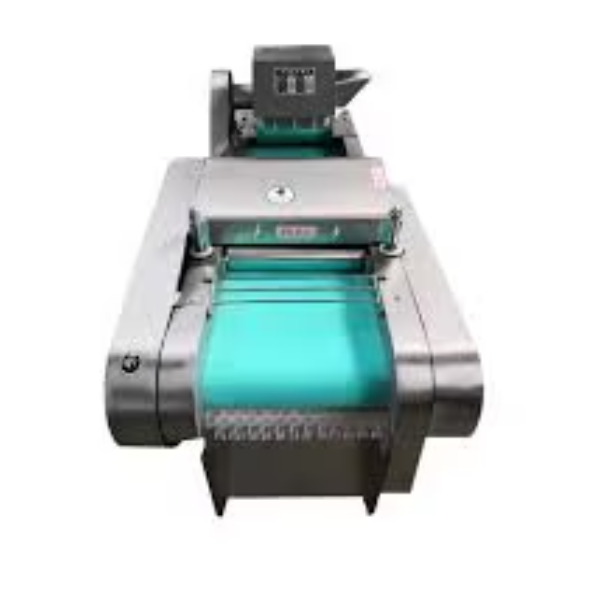
Vegetable preparation can become one of the largest labour requirements in a high-volume kitchen. Washing and sorting still require attention, but repetitive slicing, chopping and cutting can consume hours of staff time every day.
When this stage begins delaying production, finding a suitable Electric Vegetable Cutting Machine Supplier becomes an important part of kitchen planning.
Identify the Exact Preparation Problem
Do not begin by asking for the fastest machine available.
List the vegetables processed every day, approximate quantities and required cuts. This helps determine whether mechanisation will actually improve the current workflow.
A restaurant preparing moderate quantities has different requirements from a caterer, hostel kitchen or central food-production facility processing vegetables in bulk.
Ask Which Cuts the Machine Supports
Commercial kitchens often require several cutting styles.
Before selecting equipment, verify the available cutting functions and their suitability for the vegetables regularly used in your menu.
Also consider how quickly operators can change or clean cutting components when switching between preparations.
Look Closely at Safety
Vegetable cutters use powered cutting mechanisms, making correct operation essential.
Buyers should understand:
- How ingredients are fed
- Which guards or safety arrangements are provided
- How cutting components are accessed
- How the machine should be switched off before cleaning
- What operator training is required
Safe working practices should be established from the first day of installation.
Compare Capacity With Kitchen Workflow
High machine output is useful only if washing, sorting and subsequent cooking can keep pace.
For commercial kitchens in Nagpur and across Maharashtra, a balanced preparation line is often more effective than simply maximising the capacity of one machine.
An experienced Electric Vegetable Cutting Machine Supplier should therefore ask about overall kitchen volume and intended application.
Check Service and Cleaning Requirements
Food-processing machinery needs regular cleaning. Ask how components are removed or accessed and what routine maintenance is required.
Local service accessibility is also valuable when the machine is used every working day.
Lipsa Impex supplies commercial food-processing and kitchen equipment in Nagpur for restaurants, caterers, hotels, institutions and other food businesses. Discussing daily vegetable quantity and required cuts can help establish which machine configuration is worth considering.
The strongest buying decision comes from matching the machine to an existing preparation bottleneck. When cutting volume is high, requirements are repetitive and staff time is being consumed by manual work, mechanisation can become a logical operational upgrade rather than simply another equipment purchase.
Keywords