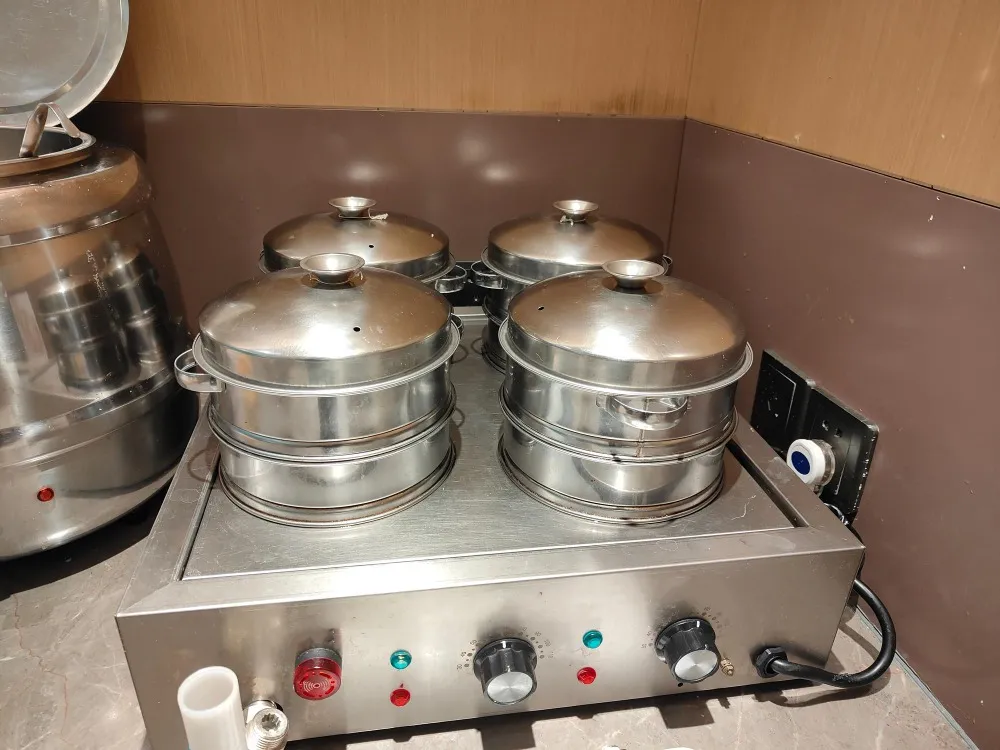
Steam cooking is used across commercial kitchens for a wide range of food preparations. When several steamed products form part of the regular menu, businesses may consider multipurpose equipment instead of managing numerous small steaming arrangements.
Selecting a Multipurpose Electric Steamer Supplier requires checking capacity, applications, electrical requirements, construction and cleaning convenience before placing an order.
Define What You Plan to Steam
Start with the menu.
Depending on equipment design, commercial steaming requirements may include vegetables, rice, momos, idlis and other suitable foods. The machine needs to match both the products and the volume expected per batch.
Avoid selecting capacity based purely on future ambitions. Normal daily production provides a better starting point.
Check Batch Turnaround
Capacity alone does not explain productivity.
Consider how much food can be processed per batch, the approximate workflow between batches and how loading and unloading fit into service schedules.
A slightly smaller unit with a practical production cycle may suit some kitchens better than equipment that is larger but poorly matched to their routine.
Review Construction and Cleaning Access
Commercial steaming involves heat, water and regular food handling.
Buyers should examine food-contact areas, trays or compartments where applicable, drainage arrangements and surfaces requiring routine cleaning.
Ask the supplier to explain the recommended cleaning procedure before purchasing.
Verify Electrical Requirements Early
Restaurants and commercial kitchens in Nagpur should confirm whether their existing electrical infrastructure can support the selected equipment.
Important checks include:
- Rated electrical requirement
- Connection requirements
- Installation area
- Water arrangements where applicable
- Drainage considerations
- Safe operator access
Making these checks early prevents installation delays.
Assess Supplier Readiness
When evaluating a Multipurpose Electric Steamer Supplier, pay attention to how accurately the provider matches equipment with your application.
A supplier should be able to discuss machine capacity and operational requirements without assuming every kitchen needs the same configuration.
Lipsa Impex supplies commercial electric kitchen and food-processing equipment in Nagpur, Maharashtra. Businesses can evaluate steaming equipment according to menu type, batch size, available infrastructure and daily production.
Before finalising a steamer, prepare a simple list of the foods you intend to process, required quantity per batch and expected daily operating hours. This gives the supplier useful information for discussing suitable options.
The right multipurpose steamer should make production simpler, not merely add another machine to the kitchen. A clearly defined application, suitable capacity and properly prepared installation area are strong signs that a commercial kitchen is ready to make the investment.
Keywords