Preparing dough manually can become physically demanding when a kitchen produces chapatis, breads, puris, pizzas or bakery products throughout the day. The challenge is not simply mixing flour and water. Commercial kitchens need repeatable dough texture across multiple batches.
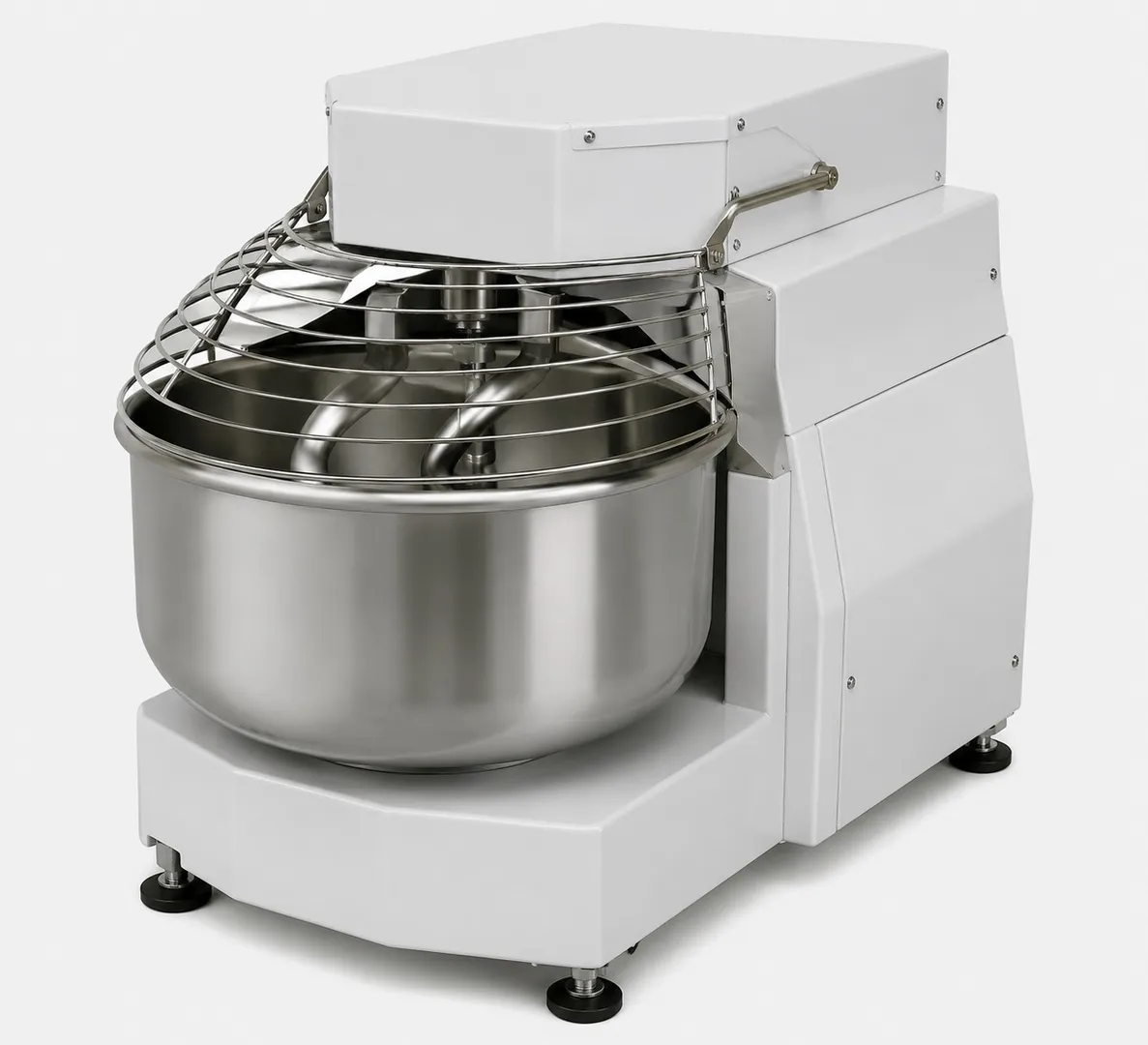
A Dough Kneading Machine helps automate this repetitive process and can support more predictable preparation in restaurants, bakeries, catering units and institutional kitchens.
What Happens During Mechanical Kneading
Kneading develops the dough structure by repeatedly working the ingredients together. With manual preparation, the final result can change depending on the person kneading, batch size and time spent working the dough.
Mechanical kneading provides a controlled process. Once operators establish the appropriate ingredient quantity and mixing duration, it becomes easier to reproduce similar batches.
This can help kitchens achieve:
- More consistent dough texture
- Faster preparation of larger batches
- Reduced manual effort
- Better workflow during busy hours
- More predictable production planning
Capacity Should Match Actual Production
Buying an oversized machine does not automatically improve kitchen efficiency. Businesses should calculate how much dough they prepare per batch and how many batches are required during a normal working day.
A restaurant producing chapati dough may need a different configuration from a bakery preparing bread or a catering operation processing large quantities for functions.
For commercial kitchens in Nagpur and across Maharashtra, production can also fluctuate considerably between normal working days and events or seasonal demand. Buyers should therefore consider both routine output and realistic peak requirements.
Dough Quality Still Depends on the Recipe
A Dough Kneading Machine improves process consistency, but it cannot compensate for an unsuitable recipe. Flour quality, water ratio, ingredient temperature and resting time continue to influence the finished dough.
Operators should standardise recipes and measure ingredients instead of relying entirely on visual estimates.
This combination of standardised ingredients and controlled kneading can make production more repeatable.
Plan the Workflow Around the Machine
The machine should be positioned where flour and other ingredients can be loaded conveniently and finished dough can be removed without interrupting other preparation work.
Cleaning access also matters because flour and dough residue can remain around bowls, mixing components and nearby surfaces.
Lipsa Impex works with commercial food businesses evaluating equipment for preparation and production requirements. When choosing machinery, discussing batch quantity, application and expected daily use can be more useful than selecting equipment based only on headline capacity.
For restaurants, bakeries, hotels, caterers and institutional kitchens, a properly selected kneading machine can reduce one of the most labour-intensive preparation tasks while helping teams maintain a repeatable production routine.
Keywords